Email : sales2@senmatech.com
 Tel : +86 18420449318


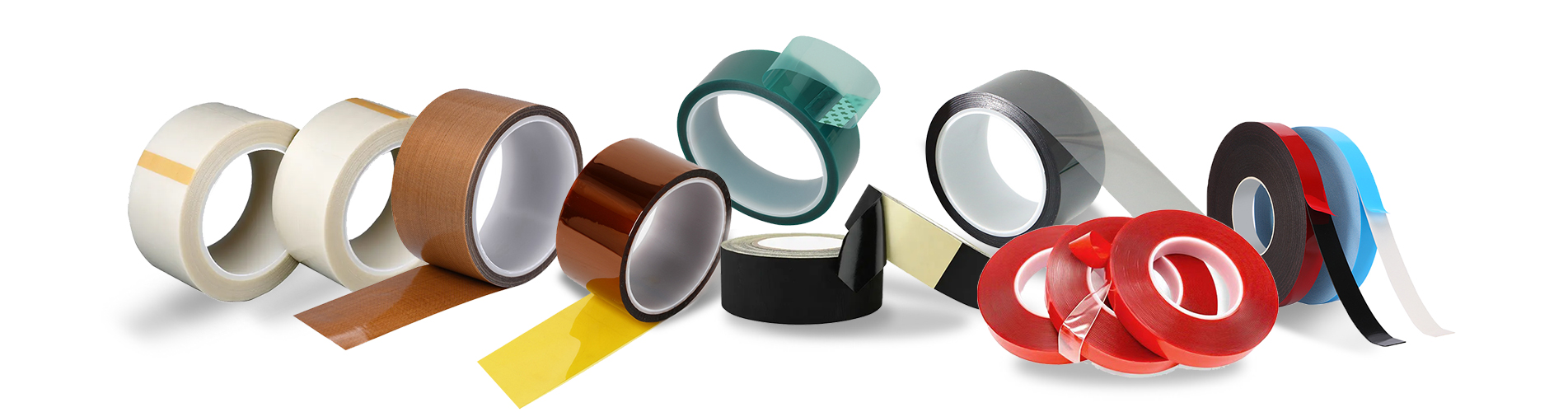
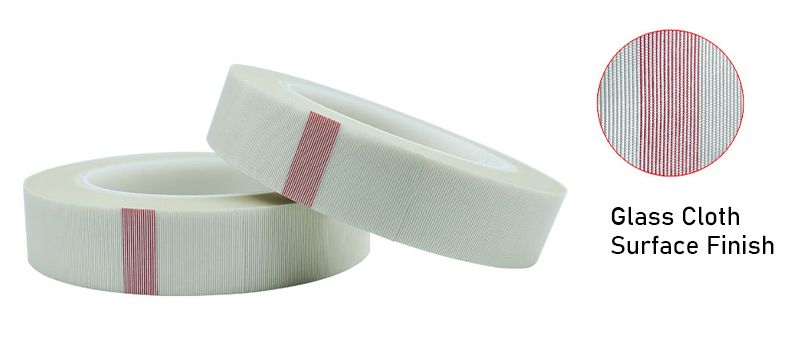
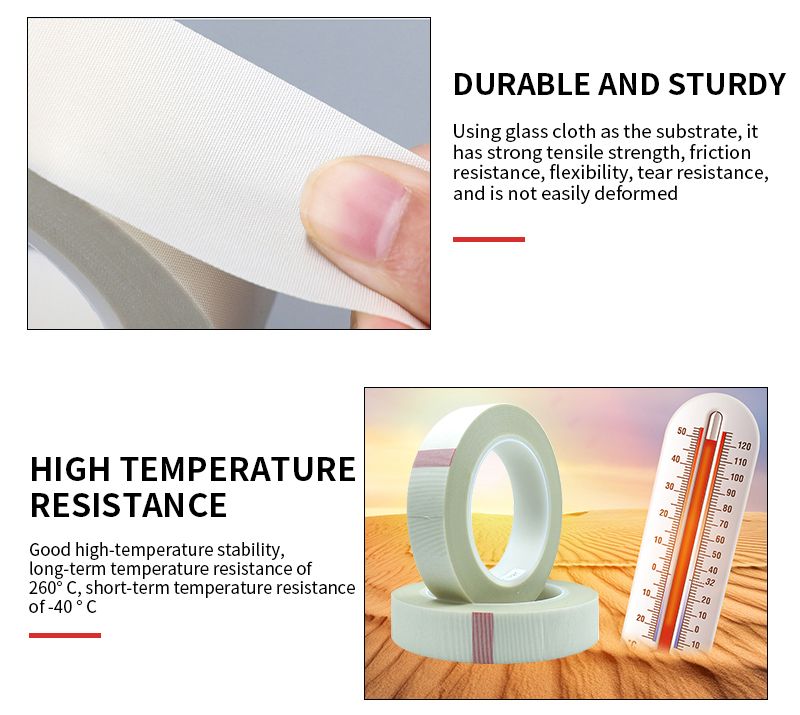
Glass cloth electrical insulation tape consists of a woven fiberglass backing coated with a pressure-sensitive adhesive. The glass cloth provides mechanical strength, while the adhesive helps the tape bond to the target surface.
Depending on the product construction, glass cloth tape can provide:
Some grades use silicone adhesive for demanding high-temperature applications. Others use different adhesive systems to meet specific requirements for bonding, handling, or chemical resistance.
The correct choice depends on the complete tape construction, rather than the backing material alone.
Glass cloth electrical insulation tape is particularly useful when an application requires both mechanical durability and electrical insulation.
The exact suitability depends on the equipment design, voltage, temperature, and applicable electrical safety requirements. For example, glass cloth tapes are used in certain motor and transformer applications, but not every grade is approved for every electrical system.
The adhesive is an important part of the tape's performance. Even when two tapes have similar glass cloth backings, their temperature resistance and bonding behavior can differ because of their adhesive formulations.
Silicone pressure-sensitive adhesive is commonly used in high-temperature glass cloth electrical tapes because it can maintain suitable bonding performance under specified elevated-temperature conditions.
Key considerations include:
A suitable silicone adhesive can be designed for applications where conventional adhesive systems may not meet the required temperature conditions.
Adhesion should be evaluated against the actual substrate, including metal, wire insulation, and other component surfaces.
For electrical applications, confirm that the adhesive system and complete tape construction meet the required insulation and compatibility specifications.
Heat exposure, humidity, varnishes, resins, and other chemicals may affect performance. Confirm compatibility with the materials used in your process.
A silicone adhesive designation alone does not guarantee a specific temperature rating, flame-retardant classification, or electrical certification. Always verify the product's technical data sheet.
Before requesting a quotation, define the following requirements.
Determine the normal operating temperature, peak temperature, and duration of heat exposure. A tape that tolerates a brief temperature spike may not be suitable for continuous operation at the same temperature.
Do not select a product based only on a general claim such as “high temperature resistant.” Check the rating and test conditions for the specific grade.
For motor, transformer, or coil insulation, review the required dielectric strength, insulation resistance, operating voltage, and electrical system requirements.
If your application requires UL recognition or another certification, request documentation for the exact tape grade. Do not assume that all glass cloth tapes share the same approvals.
Glass cloth backing is useful when the tape needs to withstand handling, wrapping, abrasion, or mechanical stress. Consider whether the tape must resist edge tearing or remain securely positioned around a component.
Check whether the tape will be applied to metal, wire insulation, varnished coils, or another substrate. Surface cleanliness, shape, and process conditions can affect adhesion.
Select the appropriate width, thickness, and roll length for your production process. Narrow rolls may be useful for wrapping small components, while wider formats may suit larger surfaces or downstream converting.
SENMA supplies glass cloth electrical insulation tape with silicone pressure-sensitive adhesive for selected industrial insulation applications.
The product is designed for applications such as motor insulation, transformer winding, and electrical component assemblies, subject to confirmation of the required technical specifications.
Available options include:
Choosing high temperature glass cloth electrical insulation tape requires more than comparing product prices or advertised temperature limits. The most suitable tape should match the application's electrical requirements, operating temperature, mechanical demands, adhesive compatibility, and dimensions.
If you are sourcing glass cloth electrical insulation tape for motors, transformers, coils, or industrial equipment, share your application and technical requirements with SENMA to discuss suitable product options and customized sizes.

 IPv6 network supported